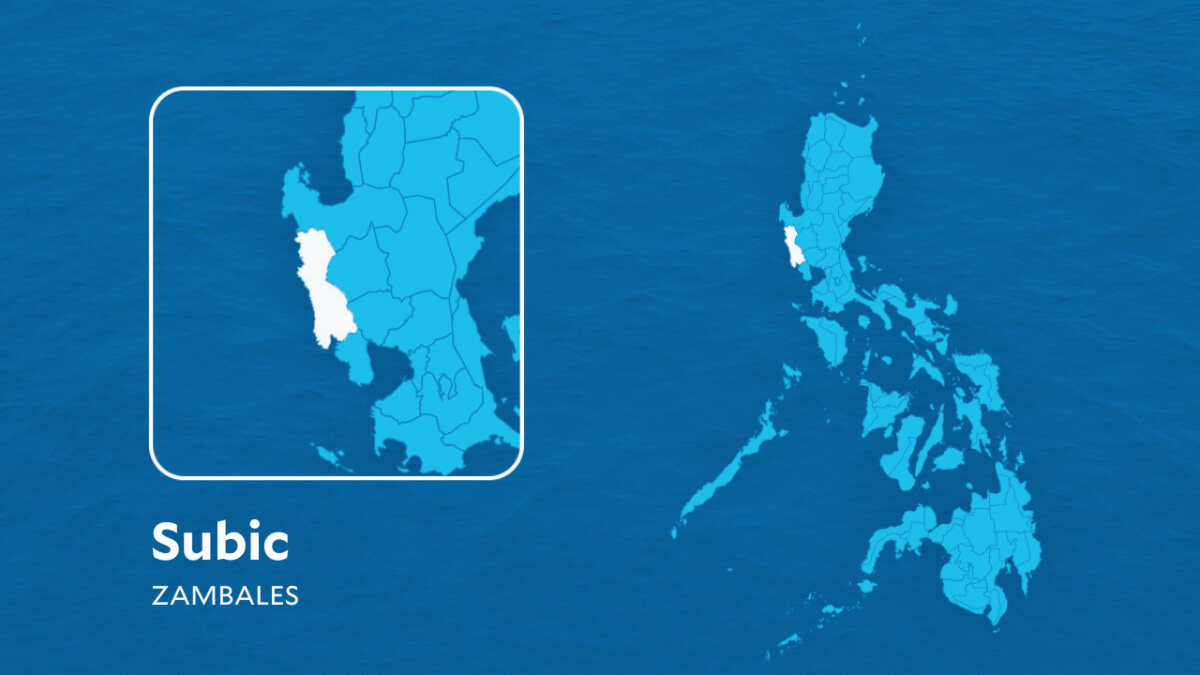
SUBIC BAY FREEPORT — Another shipment from the United States (US) containing suspected electronic waste (e-waste) has been intercepted at the Subic port, the Bureau of Customs (BOC) Port of Subic confirmed on Saturday, Aug. 22.
The shipment, consisting of 25 container vans aboard the MV Dallas, arrived at the port on Tuesday, Aug. 18.
The latest interception came less than a month after the BOC Port of Subic stopped the MV Tokyo Express, which was carrying a shipment of suspected e-waste, from unloading at the freeport on July 22.
On July 31, the Environmental Task Force Against Illegal E-Waste Imports to the Philippines (END E-Waste Imports) said 184 containers of suspected e-waste from the US were expected to arrive in the Philippines between Aug. 6 and September.
The group said the information was contained in a new Operation Can Opener alert issued by the Basel Action Network (BAN) to the BOC and the Department of Environment and Natural Resources-Environmental Management Bureau (DENR-EMB).
The BOC Port of Subic has yet to disclose whether the 25 containers aboard the MV Dallas were among the shipments previously flagged by BAN.
The bureau, however, said it would continue intercepting suspected e-waste shipments arriving at the port.
The latest interception comes amid an ongoing dispute over the entry and treatment of US-origin e-waste shipments already in transit to the Philippines.
The Subic Bay Metropolitan Authority (SBMA), which administers the freeport under Republic Act No. 7227, had earlier maintained that the shipments contained recyclable materials intended for legitimate recycling activities and should not be classified as waste.
The SBMA later announced a temporary halt on the entry of e-waste shipments from the US while it reviewed its policy.
The agency subsequently clarified that shipments already in transit would still be allowed to enter the freeport, provided they were determined to be nonhazardous.
The environmental coalition, however, has called on the BOC and DENR-EMB to take the lead in inspecting the shipments and allow environmental groups to observe the process.
The coalition also questioned the SBMA’s authority to determine whether e-waste shipments could enter the country, arguing that the BOC and DENR-EMB, as the Philippines’ competent authorities under the Basel Convention, should determine whether the shipments comply with environmental regulations.
The group maintained that e-waste shipments from the US should not be allowed to enter the Philippines because the US is not a party to the Basel Convention, while the Philippines is.
It also cited Republic Act No. 6969, or the Toxic Substances and Hazardous and Nuclear Wastes Control Act of 1990, and DENR Administrative Order No. 2013-22, which regulates the transboundary movement of hazardous wastes and other controlled materials.